
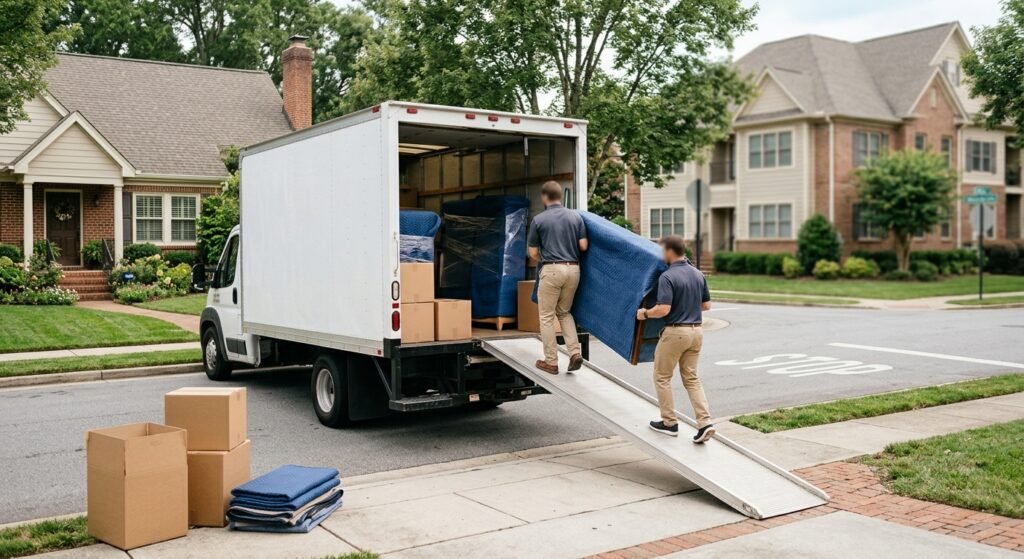
I’ve watched people underestimate a move of 500 feet more than a move of 500 miles, and it never ends well. A short move still means heavy furniture, fragile items, and a tight timeline, and skipping professional help often costs more than it saves. I’m walking you through exactly why distance isn’t the variable that matters here.
Across-the-street moves feel low-stakes, so people skip planning, skip protective materials, and skip insurance. That mindset is exactly what leads to a cracked dresser, a strained back, or a dispute with a landlord over damaged walls. None of that saves time when it actually happens.
I’ll cover why short moves carry real risk, what typically goes wrong without professional help, what movers actually handle during a local relocation, how to prepare your belongings properly, and how to pick the right mover for a same-neighborhood job.
Why a Short-Distance Move Isn’t as Simple as It Looks
A short move still involves every heavy item you own. The couch doesn’t get lighter because it’s only crossing a street.
A local move is a residential relocation that covers a short geographic distance, typically within the same neighborhood or city block. It still requires full coordination of lifting, loading, and transport, regardless of how close the destination is.
I’ve seen people assume a few trips in a personal vehicle will handle everything. Then they hit a doorway that’s too narrow, a staircase that won’t cooperate, or a mattress that won’t fit in a sedan no matter how creative the angle.
The Hidden Risks of “It’s Just Across the Street”
Short moves create a false sense of security. People rush, skip padding on furniture, and stack boxes without checking weight limits.
That rush is where injuries happen. A thrown-out back or a dropped dresser costs far more in recovery time and repair than hiring help upfront would have.
What Can Go Wrong When You DIY a Local Move
I’ll be direct: most DIY move injuries happen on moves people assumed would be easy. Overconfidence removes the caution that heavier, longer moves naturally build in.
Scratched floors, dented doorframes, and torn upholstery show up constantly in landlord disputes after a self-managed move. None of that damage cares how far the truck actually drove.
Injuries, Property Damage, and Liability Gaps
Liability refers to the legal responsibility for damage or injury that occurs during the moving process. Without a professional mover’s insurance coverage, that responsibility falls entirely on you.
A friend helping you carry a couch isn’t covered if they fall and get hurt. Neither is your landlord’s property if you scrape the hallway wall on the way out.
Rental trucks and borrowed vehicles typically carry minimal coverage for cargo damage. I always tell people that gap is the single biggest financial risk in a DIY local move.
What Professional Movers Actually Handle for Short Moves
Professional movers bring equipment most people don’t own and wouldn’t think to rent. Furniture dollies, moving blankets, and shoulder straps all exist because lifting technique matters more than distance.
We handle the physical labor, the protective wrapping, and the loading sequence that keeps items from shifting during transport. Even a quick trip across the street benefits from a truck loaded correctly front to back.
Packing, Equipment, and Protective Materials
Movers wrap upholstered furniture, mirrors, and electronics before anything goes near a truck. That single step prevents most of the scuffs and cracks that show up on DIY moves.
I rely on furniture pads, stretch wrap, and corner protectors on every job, short or long. Skipping that step to save fifteen minutes almost always costs more in repairs.
How to Prepare Your Belongings for a Local Move
Preparation still matters on a short move, maybe more than people expect. Boxes need labeling, fragile items need padding, and certain belongings can’t go on the truck at all.
I walk every client through a prohibited items list before move day, because surprises at load-in slow everything down. Hazardous materials, perishables, and certain valuables fall into categories movers legally cannot transport.
Items Movers Can’t Transport
Propane tanks, paint thinner, and other flammable liquids top the list of items movers won’t load. Fireworks, ammunition, and corrosive chemicals follow close behind for the same safety reasons.
Perishable food and live plants also typically get left behind, since they don’t hold up well in a parked truck even for a short trip. I recommend clients transport cash, jewelry, and important documents themselves rather than placing them in the moving truck.
Choosing the Right Mover for a Same-Neighborhood Move
Picking a mover for a short trip deserves the same scrutiny as a cross-country move. Licensing, insurance, and reviews matter regardless of how many miles separate the two addresses.
I tell people to ask about minimum hour requirements, since some companies charge a flat minimum even for brief jobs. That detail changes the math significantly on a move that only takes an hour or two of actual labor.
Questions to Ask Before You Book
Ask whether the quote includes packing materials, furniture protection, and disposal of leftover boxes. Ask how the company handles damage claims, and get that answer in writing before move day.
Confirm the crew size matches your inventory, since an undersized crew on a short move still means slow, inefficient labor. A clear answer to each question upfront prevents confusion once the truck is loaded.
Conclusion
A short distance doesn’t shrink the risks of lifting heavy furniture, navigating tight doorways, or handling items movers legally can’t transport.
Professional help protects your belongings, your property, and your body, no matter how close the new address sits.
We at ASHER MOVERS LOCAL & LONG DISTANCE handle local moves with the same care and preparation as any long-distance relocation, so reach out before your next move across the street.
Frequently Asked Questions
Do I really need movers for a move across the street?
Yes, distance doesn’t reduce the physical risk of lifting furniture or the liability gap from uninsured helpers. Professional movers bring equipment and coverage that a short trip still requires.
What items can’t movers transport during a local move?
Movers can’t transport flammable liquids, propane tanks, fireworks, and corrosive chemicals under standard safety regulations. Perishable food and live plants are also commonly excluded from the truck.
How much does a short-distance local move typically cost?
Local moves are usually priced hourly, and many companies apply a minimum hour requirement even for short jobs. I recommend asking about that minimum upfront to avoid surprise charges.
Can I just use a rental truck for a move across the street?
You can, but rental trucks typically carry minimal cargo insurance, leaving you responsible for any damage. Professional movers carry coverage that protects your belongings during loading and transport.
What should I pack myself versus leave for movers?
Pack cash, jewelry, and important documents yourself, since movers won’t transport valuables or hazardous materials. Everything else, including furniture and boxed items, falls under what a professional crew handles.
How do I prepare my home for a short-distance move?
Clear walkways, label boxes by room, and separate prohibited items before the crew arrives. That preparation keeps loading efficient even on a move that only spans a block or two.
