
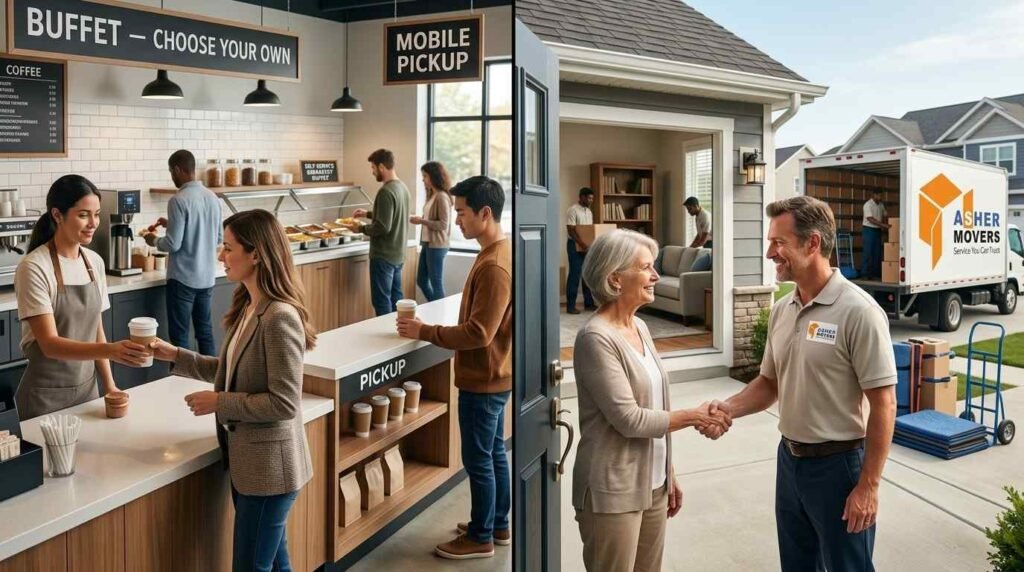
Not every service situation calls for a tip and knowing the difference saves you money, awkwardness, and guilt. Counter service, self-serve buffets, business owners who set their own rates, and entire countries operate on a no-tip norm that most people never think to question.
Tip culture has expanded fast, and the pressure to tip everywhere feels real. Understanding where gratuity is genuinely expected changes how you navigate every transaction.
This guide covers the specific situations, professions, and places where skipping a tip is completely reasonable plus how to handle that tip screen without flinching.
The Situations Where Skipping a Tip Is Completely Acceptable
Not tipping is not always rude. In plenty of everyday situations, a tip was never part of the equation to begin with.
The clearest cases involve self-service, counter ordering, and pickup. When no one brings food to your table, refills your drink, or checks on your experience, the traditional reason for tipping simply does not apply.
Counter Service and Fast-Casual Restaurants
At counter-service spots think fast-casual chains, coffee shops, and quick-service delis you order at the register, pick up your food yourself, and manage your own experience from there. No tip is required here.
The tip screen at these locations is a feature of modern point-of-sale software, not a social obligation. Pressing “No Tip” or entering a custom zero is a completely acceptable choice.
That said, if a barista at your regular coffee shop has memorized your order and genuinely makes your morning better, a small tip is a nice gesture. It is never required, but it is always appreciated.
Self-Service Buffets
At a buffet, you serve yourself. You carry your own plates, return for your own refills, and manage your own table experience. The labor model is fundamentally different from full table service.
Some buffets have staff who clear plates or bring drinks. A small tip for that specific service is reasonable but tipping the full restaurant rate for a buffet is not expected.
Takeout Orders You Pick Up Yourself
Picking up a takeout order involves someone packaging your food and handing it to you. That is a real task, and a small tip is a kind acknowledgment but it is not a social requirement.
The standard tipping logic applies to table service: someone takes your order, brings your food, checks on you, and manages your experience over time. Takeout does not involve any of that.
Service Professionals Who Typically Do Not Expect Tips
Tipping norms developed in industries where workers earn below minimum wage and rely on gratuity to reach a living income. That model does not apply across all service work.
Many professionals are salaried, charge market rates for their expertise, or operate businesses where tipping would actually feel out of place.
Salaried or Hourly Employees in Professional Settings
Doctors, lawyers, accountants, therapists, and most contractors are compensated through fees, salaries, or hourly rates that already reflect the value of their work. Tipping in these contexts is unusual and often unnecessary.
The same applies to most tradespeople plumbers, electricians, HVAC technicians who charge for labor directly. A tip is never expected, though a cold drink on a hot day or a genuine thank-you goes a long way.
Business Owners Who Set Their Own Rates
When the person serving you owns the business, they set their own prices. They are not earning a tipped wage they are running a company and pricing their services accordingly.
This comes up most often at independent salons, tattoo studios, and small service businesses. Tipping the owner is a kind gesture, but it is not an obligation the way it is with an employee earning a service wage.
When Poor Service Changes the Equation
Most tipping guidance focuses on when to tip generously. The harder question is what to do when service genuinely falls short.
Reducing or skipping a tip after truly poor service is a legitimate response. It is one of the few direct signals a customer can send about the quality of their experience.
The distinction matters here. A long wait caused by a slammed kitchen is not the server’s fault. A server who is dismissive, inattentive, or rude that is a different situation entirely.
I think most people leave a reduced tip rather than nothing at all, and that is a reasonable middle ground. It communicates dissatisfaction without eliminating gratuity entirely for someone who may have had a rough shift through no fault of their own.
Cultural and Regional Contexts Where Tipping Is Not the Norm
Tipping is not a universal practice. In many countries, it is not just uncommon it is considered rude or confusing.
In Japan, tipping is widely seen as disrespectful. Service workers take pride in doing their job well, and offering extra money implies they need charity or that the service was somehow inadequate. Leaving a tip can genuinely offend.
Across much of Europe particularly in France, Italy, and Germany a small rounding-up of the bill is common, but the American-style 18–20% tip is not expected. Service charges are often built into the bill already.
Australia, New Zealand, and much of Southeast Asia operate similarly. The tipping customs by country vary enough that researching local norms before traveling is genuinely useful.
The Gray Areas Where Tipping Is Optional but Appreciated
Some situations sit right in the middle. No one expects a tip, but leaving one is a meaningful acknowledgment of effort.
Hotel housekeeping is a good example. The work is physically demanding, often invisible, and rarely rewarded with gratuity the way restaurant service is. A few dollars per night left on the pillow is a thoughtful gesture not a requirement, but genuinely appreciated.
Grocery delivery, furniture assembly, and curbside pickup fall into similar territory. The service involves real effort and often goes unrecognized. Tipping in these situations is entirely your call.
The honest answer is that optional means optional. You are not obligated, and no one should make you feel otherwise.
How to Handle the Tip Screen Without Guilt
The tip prompt has spread far beyond restaurants. You now see it at bakeries, juice bars, self-checkout kiosks, and online checkout flows for digital products. The pressure is real, even when the situation does not call for a tip.
Pressing “No Tip” or “Custom Amount” and entering zero is a normal, acceptable action. The screen is a feature of the payment software it is not a social judgment.
What I find helpful is deciding in advance what kinds of service I tip for and what I do not. That decision is already made before I reach the screen, so there is no moment of guilt or hesitation.
Tip fatigue is a documented phenomenon. Pew Research Center found that 72% of Americans feel tipping is expected in more situations today than five years ago and a significant share find the pressure unwelcome. You are not alone in feeling it.
Conclusion
Tipping is a genuine expression of appreciation for service but it was never meant to apply everywhere, to everyone, in every country. Counter service, self-serve situations, professional fees, and no-tip cultures all represent contexts where skipping a tip is completely reasonable.
The goal is not to avoid tipping generously when it matters. The goal is to understand where it genuinely matters and where it does not.
At ASHER MOVERS LOCAL & LONG DISTANCE, we believe in transparent pricing and honest service so you always know what you are paying for before moving day arrives. Reach out to our team and get a clear, straightforward quote today.
Frequently Asked Questions
Is it rude not to tip at a fast-casual restaurant?
No, it is not rude. Fast-casual restaurants use a counter-service model where no table service is provided. The tip screen is a software feature, not a social obligation pressing “No Tip” is completely acceptable.
Do you tip someone who owns their own business?
Tipping a business owner is a kind gesture but not an obligation. Owners set their own rates and are not earning a tipped wage. A genuine thank-you or a positive review often means more than a tip in these situations.
Is it okay not to tip for bad service?
Reducing or skipping a tip after genuinely poor service is a legitimate response. It is worth distinguishing between service failures caused by the server versus kitchen delays or circumstances outside their control.
Do you tip at a buffet?
A full restaurant-style tip is not expected at a buffet since you serve yourself. If staff clear plates or bring drinks, a small acknowledgment for that specific service is reasonable but not required.
Are there countries where tipping is considered rude?
Yes. In Japan, tipping is widely considered disrespectful. Across much of Europe, a small rounding-up is common but a large American-style tip is not expected. Researching local customs before traveling is always a good idea.
Do you have to tip movers?
Tipping movers is not required, but it is a widely appreciated gesture for physically demanding work. A tip of $20–$50 per mover for a standard local move is a common benchmark though the final decision is always yours.
